Emerging Solar and Energy Storage Trends for 2026–2030
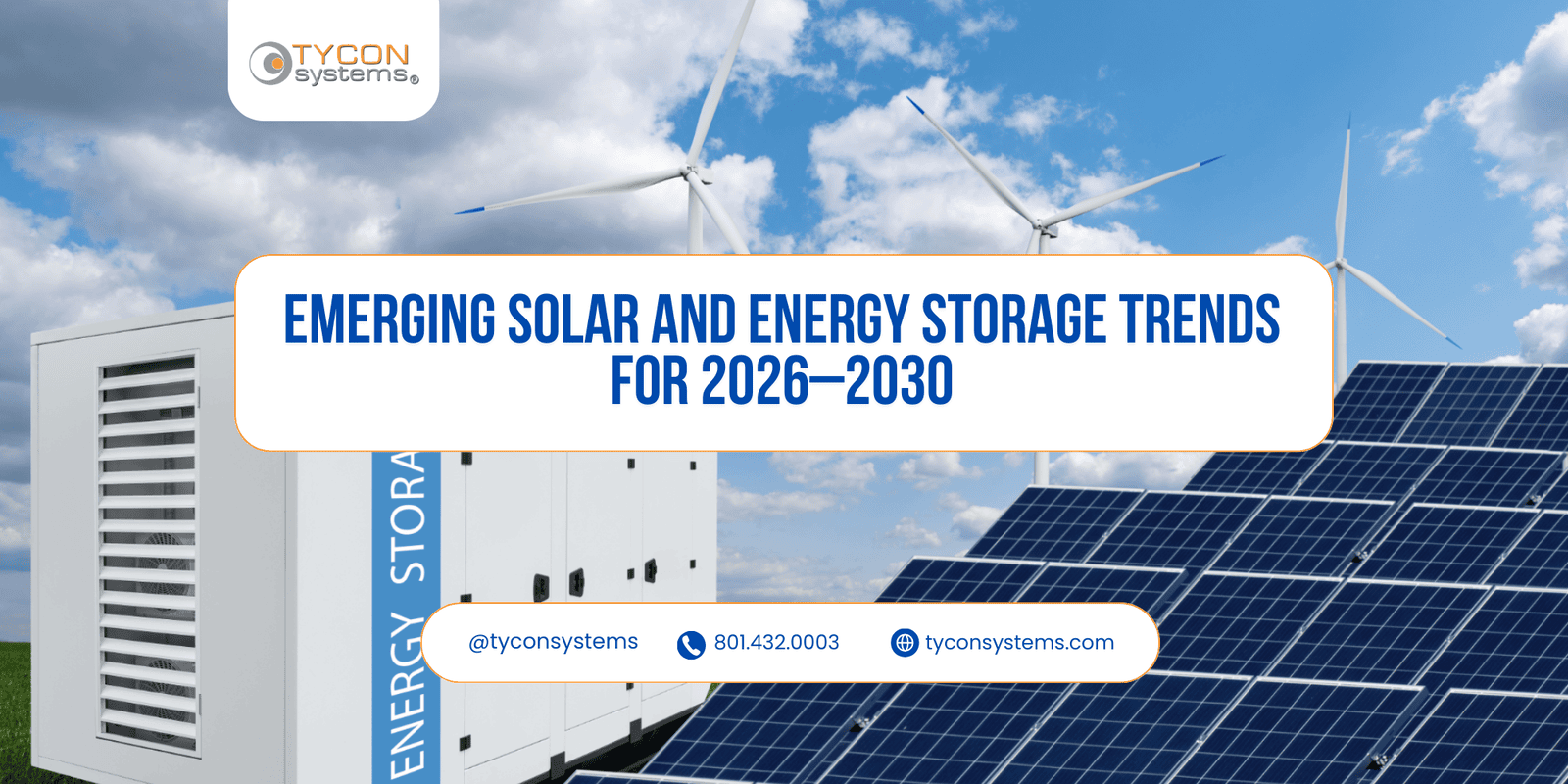
Emerging Solar and Energy Storage Trends for 2026–2030
Solar power and battery storage continue to change how remote infrastructure, communications equipment, industrial monitoring systems, security installations, and other field electronics are powered. As solar generation expands and energy storage becomes more capable, system designers have more options for producing and managing power directly where equipment is installed.
Between 2026 and 2030, some of the most important changes are likely to come from better battery storage, smarter charge control, improved monitoring, more modular power systems, and continued advances in solar technology. For remote-power applications, the practical trend is toward better integration of generation, storage, control, monitoring, and the equipment load.
Why Solar and Energy Storage Matter Through 2030
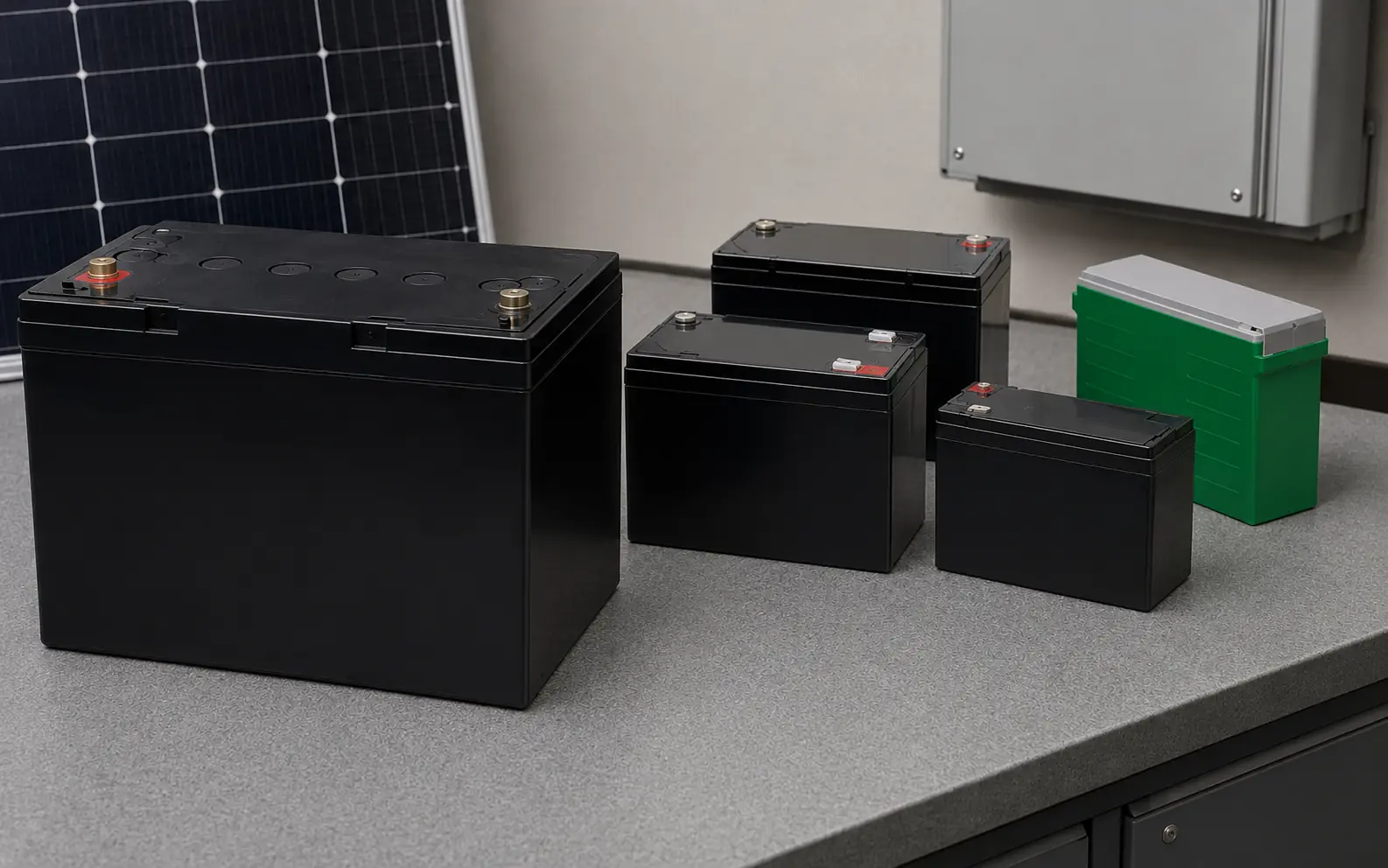
Solar power is useful because it can generate electricity close to the equipment that needs it. Battery storage extends that capability by allowing energy produced during daylight hours to support equipment at night and during periods of reduced solar production.
This combination is particularly valuable for remote infrastructure. Cameras, wireless radios, cellular routers, sensors, industrial controllers, telemetry systems, and monitoring equipment are often installed far from convenient utility power.
The continuing shift toward distributed power means the solar array, battery bank, charge controller, monitoring system, outdoor enclosure, mounting, and connected equipment increasingly need to be considered as parts of one complete system.
Not Every Emerging Technology Will Be Mainstream by 2030
Some changes, including greater battery-storage use, improved monitoring, more capable power electronics, and modular solar systems, are already well underway. Other technologies remain earlier in commercialization. The useful approach is to distinguish proven field technology from promising developments that are still evolving.
1. Solar Power Continues to Expand
Solar generation is well suited to distributed power because it is modular and can be installed at or near the equipment being powered. For remote infrastructure, that can reduce dependence on long electrical runs, utility extensions, or generator-based systems.
Continued improvements in module output and efficiency may allow system designers to generate more energy from a given mounting area, although panel voltage, physical dimensions, mounting, temperature, and charge-controller compatibility remain important.
Explore Tycon Solar® solar panels for remote power, battery charging, surveillance, wireless, and other field applications.
2. Battery Storage Becomes a Bigger Part of the System
Solar generation and battery storage need to be designed together. The solar array determines how much energy can be produced, while the battery bank determines how long the equipment can continue operating when solar production is insufficient.
LiFePO4 batteries have become important in many remote-power and stationary-storage applications because of their usable capacity, cycle capability, weight, and charging characteristics. Sealed lead-acid batteries remain practical in other applications where cost, temperature behavior, existing system architecture, or replacement requirements favor them.
Through 2030, continued improvements in battery manufacturing, controls, monitoring, capacity, and system integration should provide designers with more options when balancing runtime, temperature, service life, weight, and cost.
Browse Tycon Solar® batteries for off-grid solar and backup-power systems.
3. Solar Charge Controllers Become More Capable
Solar charge controllers continue to support more flexible system designs, including different battery chemistries, larger solar arrays, higher PV input voltages, programmable charging parameters, load control, and communications.
MPPT controllers can provide useful design flexibility when solar-array operating voltage is substantially higher than battery voltage or when larger panel configurations are required. PWM controllers remain practical for appropriately matched compact systems.
Compare Tycon Solar® solar charge controllers for different off-grid and remote-power configurations.
4. Remote Monitoring Becomes More Valuable
As more solar and battery systems are deployed away from technicians and traditional facilities, remote visibility becomes increasingly useful.
Depending on the equipment and system architecture, useful information may include:
- Battery voltage and condition
- Solar charging status
- Equipment and load status
- Temperature
- Relay and control status
- System alarms and other operating information
Remote monitoring does not replace proper system sizing, but it can help operators understand site conditions before dispatching technicians. Tycon® TPDIN® monitoring and control products provide options for remote power monitoring, sensing, control, and equipment management.
5. Distributed and Off-Grid Power Continues to Grow
More cameras, communications devices, sensors, telemetry systems, and industrial IoT equipment are being installed away from conventional buildings and electrical infrastructure.
Distributed solar and battery systems allow energy production to move closer to the equipment being served. This can make deployment practical where utility service is unavailable or where extending electrical infrastructure would add excessive cost or complexity.
Applications include:
- Security cameras and surveillance systems
- Wireless and telecom infrastructure
- Environmental monitoring
- Utility and industrial monitoring
- Agricultural sensors and controls
- Industrial IoT and telemetry
6. More Modular and Preconfigured Power Systems
Building a remote solar system from individual components works well when the electrical and mechanical design is already defined. Other projects benefit from preconfigured systems where the major power components have already been selected to operate together.
Modular system design can simplify specification, installation, expansion, and field replacement while still allowing solar capacity, battery storage, voltage, enclosure size, and mounting to be selected around the application.
RemotePro® off-grid solar power systems combine solar generation, battery storage, charge control, outdoor enclosures, and mounting for remote cameras, communications equipment, sensors, wireless networks, and other field electronics.
One of the Biggest Trends Is Better Integration
For many remote applications, the most useful advancement is not one new solar panel or battery chemistry. It is the ability to combine generation, storage, charging, environmental protection, monitoring, mounting, and the connected equipment into a system designed around the actual site.
Explore RemotePro® Off-Grid Solar Power Systems →7. Hybrid Power Becomes More Flexible
Solar does not always need to be the only charging source. Some remote installations can benefit from combining solar with utility power, wind, a generator, or another available energy source.
A secondary source may provide additional charging during prolonged periods of low sunlight, support unusually high loads, or provide additional resilience where loss of power would have significant consequences.
Hybrid systems still need to be designed around electrical compatibility, battery charging requirements, switching, load priorities, available energy sources, and environmental conditions.
8. Next-Generation Solar Technologies Continue to Develop
Conventional silicon solar modules will remain important through the remainder of the decade, while research continues into technologies that could increase efficiency and power density.
Tandem and Perovskite Solar Cells
Tandem solar cells use multiple photovoltaic materials to capture different parts of the solar spectrum. Perovskite-silicon tandem technology has demonstrated promising efficiencies, but durability, manufacturing scale, field validation, and commercial economics remain important challenges.
Bifacial and Higher-Power Modules
Bifacial modules can collect light from both sides when the mounting arrangement and surrounding surface make that useful. Higher-power and higher-efficiency modules may also reduce the mounting area required for a given amount of solar generation in some applications.
9. Alternative Battery Technologies Are Worth Watching
Lithium-based batteries currently play a major role in energy storage, while research and commercialization continue around additional battery chemistries.
Technologies receiving attention include:
- Sodium-ion batteries
- Solid-state battery technologies
- Flow batteries for larger or longer-duration energy storage
These technologies may become useful in particular markets, but they should not automatically be treated as replacements for established lead-acid or lithium systems in remote infrastructure. Availability, cost, temperature behavior, charging requirements, packaging, service life, and field support all remain important.
What These Trends Mean for Remote Infrastructure
The common theme is integration. Solar generation, batteries, charge control, monitoring, mounting, environmental protection, and the equipment load increasingly need to be considered together.
Better components can improve a system, but the fundamental design questions remain the same: What equipment needs power? How much energy does it use? How much sunlight is available? How long must the battery support the load? What environmental conditions will the system experience?
Start With the Equipment Load and Site
New battery and solar technologies do not eliminate the fundamentals of remote-power design. Equipment load, operating time, available sunlight, battery autonomy, temperature, mounting, and environmental conditions still determine the system requirements.
Use the Power & Solar Calculators →Solar and Energy Storage Trends FAQs
What are the biggest solar and battery trends through 2030?
Important trends include continued solar deployment, greater use of battery storage, more capable charge controllers, increased remote monitoring, modular power systems, and more distributed energy generation close to the equipment being powered.
Will lithium batteries still be important in 2030?
Lithium-based batteries are likely to remain important through the decade, including LiFePO4 in many stationary and remote-power applications. Other chemistries are developing, but their suitability will depend on cost, availability, performance, temperature behavior, safety, and the application.
Will perovskite solar panels replace silicon by 2030?
That should not be assumed. Perovskite and tandem technologies are promising, but durability, manufacturing scale, validation, and commercialization remain important considerations. Conventional silicon remains the established technology for most current field installations.
Why is remote monitoring becoming more important?
As more power systems are installed far from technicians, monitoring can provide useful visibility into batteries, charging, loads, temperature, and equipment status before a field visit is scheduled.
Do better batteries eliminate the need for proper solar sizing?
No. Improved batteries can provide useful performance advantages, but the solar array still needs to replace the energy consumed by the equipment. Solar generation and battery capacity must be sized together.
What is the most important trend for off-grid infrastructure?
Integration is one of the most important trends. Reliable remote systems increasingly combine generation, storage, charge control, monitoring, environmental protection, mounting, and load management rather than treating each component independently.
Design Around the Application, Not the Trend
If you're evaluating solar capacity, battery storage, charge control, monitoring, mounting, and site conditions, Tycon Systems® can help develop a remote power configuration around the actual equipment and deployment requirements.
Request a System Design → Explore Tycon Solar®