


The Growing Need for Reliable Maritime Monitoring
The Growing Need for Reliable Maritime Monitoring
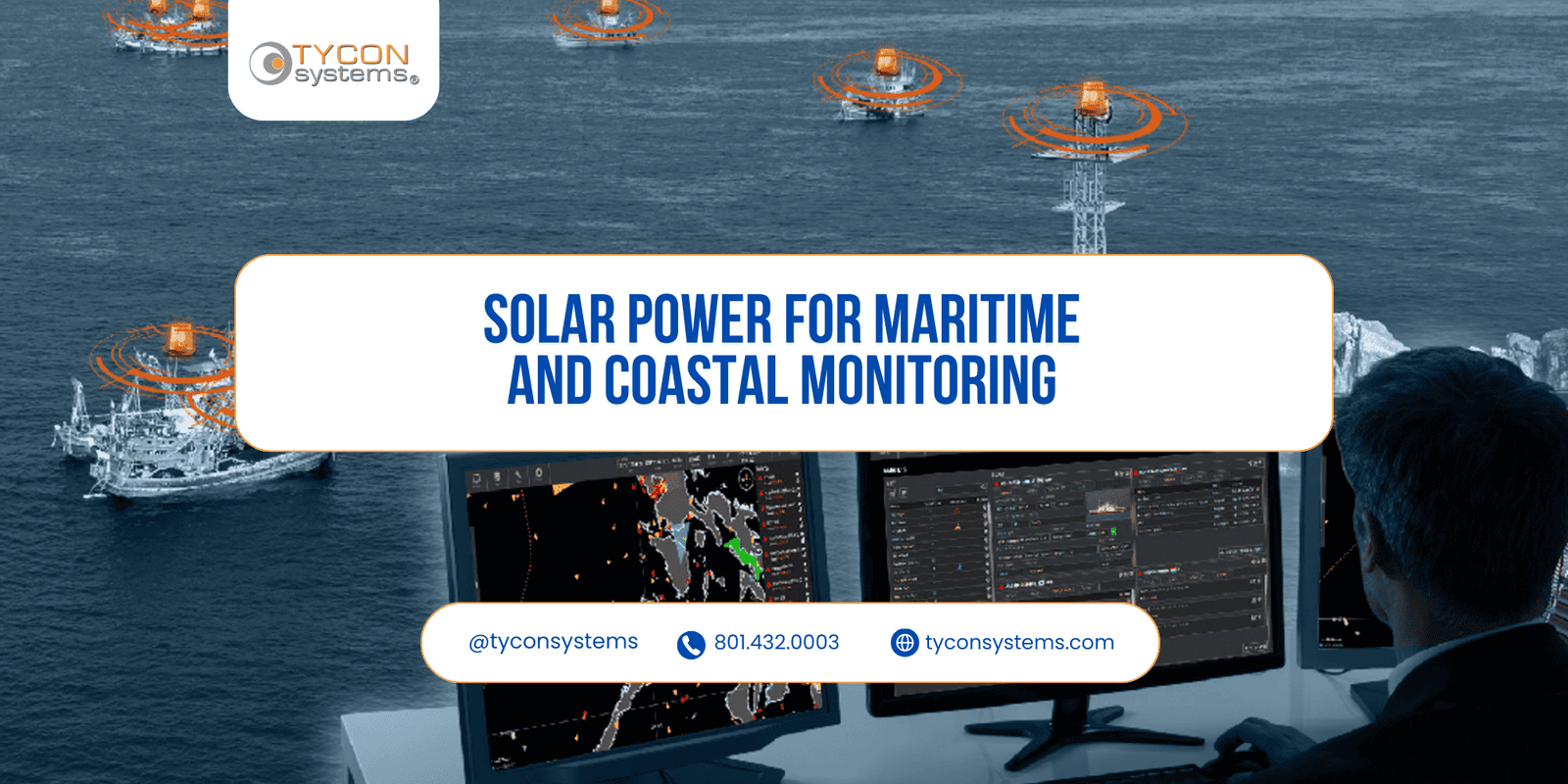
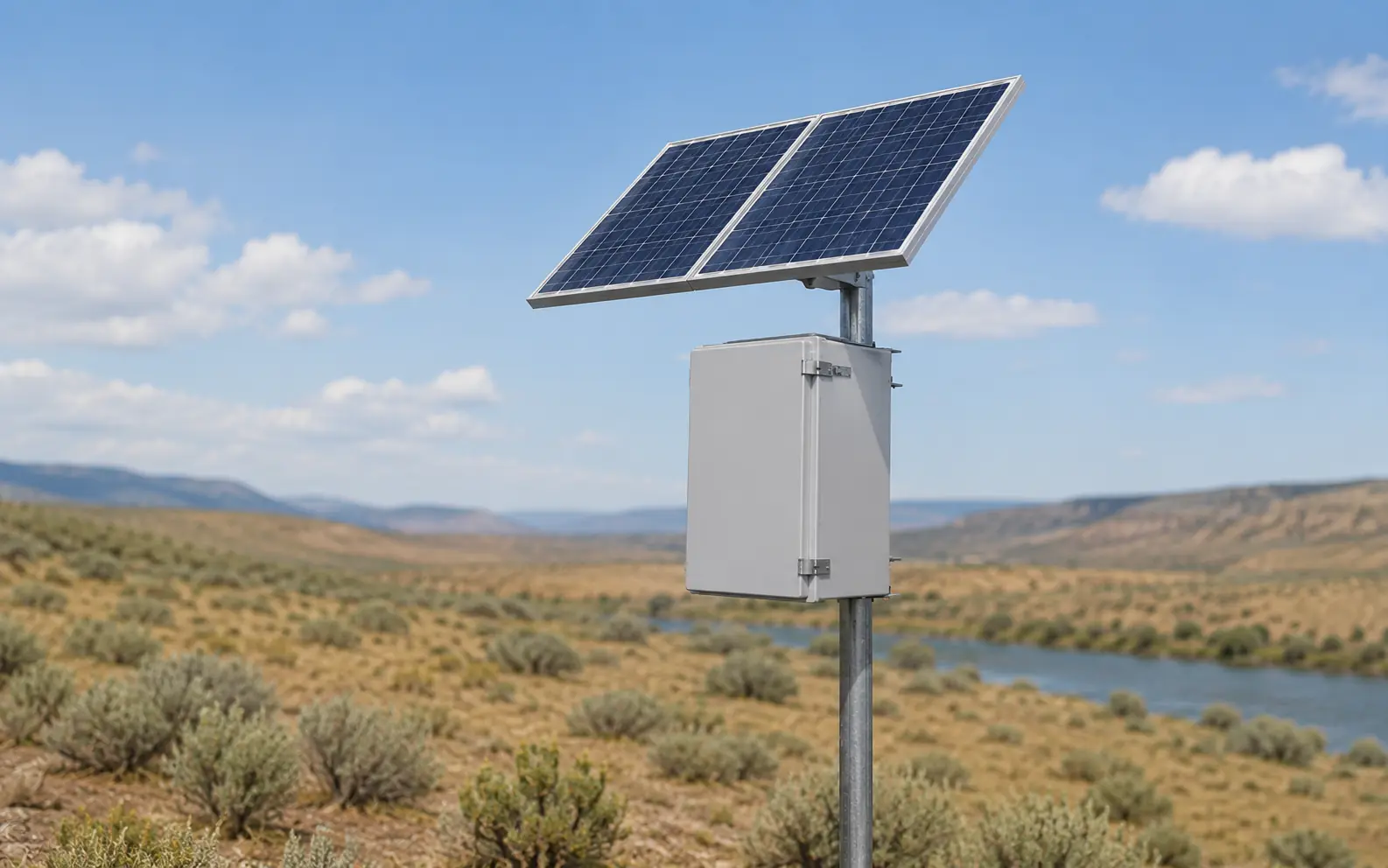
Coastal sensors, security cameras, weather instruments, telemetry equipment, wireless communications, and other monitoring systems are often installed in places where dependable utility power is difficult or impractical to provide. Off-grid solar power can support these applications by generating energy at the monitoring site and storing it for operation after sunset or during periods of reduced sunlight.
Maritime and coastal locations introduce additional design challenges. Salt exposure, humidity, wind, storms, temperature, corrosion, difficult site access, and seasonal solar conditions all need to be considered when selecting the solar array, battery storage, enclosure, mounting, charge control, and connected equipment.
Why Coastal Monitoring Sites Often Need Off-Grid Power
Monitoring equipment is frequently installed along shorelines, waterways, ports, remote islands, utility corridors, and other locations where bringing in electrical service may require trenching, long cable runs, permitting, or significant infrastructure work.
Generator-based systems are another option, but remote generators introduce fuel delivery, mechanical maintenance, noise, and regular service requirements. Those issues can become more significant at difficult-to-access coastal sites.
A properly designed solar and battery system provides another approach: generate power directly at the site, store energy in a battery bank, and size the complete system around the monitoring equipment and local environmental conditions.
Common Maritime and Coastal Monitoring Applications
Environmental Monitoring Stations
Coastal research and environmental-monitoring systems may collect information such as water level, weather conditions, temperature, salinity, currents, precipitation, air quality, or other environmental measurements. Solar power can support sensors, data loggers, communications equipment, and related electronics at sites without convenient utility service.
Coastal Security and Surveillance
Cameras, radar interfaces, wireless bridges, cellular routers, access points, and other security equipment can be deployed around ports, harbors, marinas, shorelines, restricted areas, and remote waterfront infrastructure.
Because many security loads operate continuously, the solar and battery system should be sized around 24-hour energy consumption rather than only the equipment's instantaneous wattage.
Ports and Harbor Infrastructure
Ports and harbor facilities may need distributed power for communications, cameras, monitoring systems, telemetry, gate equipment, and other infrastructure located far from an existing electrical connection.
Offshore and Remote Infrastructure Monitoring
Sensors and communications equipment associated with energy, water, transportation, research, and other infrastructure may also require independent field power. The suitability of solar depends on the specific installation environment, mounting structure, load, available sunlight, and service requirements.
Navigation and Communications Equipment
Some remote navigation, communications, beacon, and monitoring installations can also use solar charging. These applications should be engineered around the specific equipment, regulatory requirements, environmental exposure, and consequences of power loss.
Coastal Solar Systems Need More Than a Wattage Calculation
Equipment load is only one part of the design. Salt exposure, humidity, wind, temperature, solar availability, battery autonomy, mounting, cable routing, enclosure protection, and access for future service can all affect the final system configuration.
Key Components of a Coastal Solar Power System
Solar Panels
The solar array needs to generate enough daily energy to operate the monitoring equipment and recharge energy removed from the battery bank.
Array sizing should account for Peak Sun Hours, seasonal conditions, temperature, panel orientation, system losses, shading, and required battery-recovery time. The panel construction and mounting method should also be evaluated for the environmental conditions at the installation site.
Browse Tycon Solar® solar panels for remote power and battery-charging applications.
Battery Storage
Battery storage keeps monitoring equipment operating when solar production is unavailable or insufficient. Capacity should be selected around daily energy use, desired autonomy, battery chemistry, allowable depth of discharge, temperature, aging, and system losses.
There is no single battery chemistry that is best for every coastal deployment. Sealed lead-acid and LiFePO4 batteries each have different charging, temperature, cycle-life, weight, and cost characteristics.
Explore Tycon Solar® batteries for off-grid and backup-power systems.
Solar Charge Controllers
The charge controller regulates energy moving from the solar array into the battery bank. It should be matched to battery voltage, battery chemistry, maximum PV input voltage, charging current, solar-array size, and any load-control or monitoring requirements.
Compare Tycon Solar® solar charge controllers for PWM, MPPT, and specialized remote-power applications.
Outdoor Enclosures
Batteries, controllers, network equipment, power electronics, and electrical connections need appropriate protection from moisture, direct weather exposure, dust, animals, UV exposure, and other environmental conditions.
Tycon® outdoor equipment enclosures are available in aluminum, steel, and polycarbonate configurations for batteries, networking equipment, solar hardware, and remote electronics.
Mounting and Installation Hardware
Mounting becomes especially important in exposed coastal environments. The structure should be evaluated for local wind loading, corrosion exposure, panel orientation, service access, cable routing, and the requirements of the equipment being installed.
Tycon Solar® solar accessories and mounting hardware include pole, wall, and ground mounts along with outdoor cables, connectors, breakers, and related installation hardware.
Calculate the Load Before Selecting the Solar System
Start with the equipment load, operating hours, available sunlight, and required battery reserve. Tycon Systems® provides power and solar calculators to help establish initial system requirements.
Use the Power & Solar Calculators →Designing Solar Power for Coastal Environments
Coastal installations should be designed for the actual environment rather than assuming that ordinary outdoor equipment will perform identically at every location.
Salt and Corrosion Exposure
Salt spray and salt-laden air can accelerate corrosion of exposed metals, connectors, mounting hardware, and electrical equipment. Material selection, coatings, enclosure design, connector protection, mounting hardware, and inspection frequency should be chosen with the site's exposure level in mind.
Moisture and Condensation
Weatherproofing involves more than keeping rain off the equipment. Humid air, condensation, cable entries, drainage, enclosure sealing, and temperature changes can all affect electronics and batteries over time.
Wind and Storm Exposure
Solar panels create significant surface area, so mounting structures and attachment points need to be appropriate for the expected wind conditions. Local structural requirements and manufacturer specifications should be followed when designing exposed installations.
Cloudy Periods and Battery Autonomy
Coastal weather can include extended periods of cloud cover or storms. Battery storage and solar-array capacity should be selected using realistic seasonal solar conditions rather than only favorable summer conditions.
Access for Maintenance
A system that is difficult to reach should be designed with serviceability in mind. Mounting, enclosure access, replaceable components, monitoring, and cable routing can all influence how much time technicians need to spend at the site.
Remote Monitoring Can Reduce Unnecessary Site Visits
The value of remote monitoring increases as the installation becomes harder to access. Depending on the system architecture, operators may benefit from visibility into battery voltage, charging conditions, temperature, equipment status, or other site information before dispatching technicians.
Remote monitoring does not replace proper system sizing or periodic inspection, but it can make troubleshooting and maintenance planning more efficient.
Solar Power vs. Generator Power for Coastal Monitoring
Solar and generator systems solve remote-power problems differently. Generators can provide substantial power on demand, while solar-battery systems generate and store energy without routine fuel delivery.
Important considerations include:
- Total equipment energy consumption
- Availability of sunlight
- Fuel delivery and storage logistics
- Mechanical maintenance requirements
- Battery autonomy
- Noise and emissions
- Site accessibility
- Initial installation and long-term service requirements
The best solution depends on the application. Some locations are well suited to solar as the primary power source, while others may require another charging source or a hybrid design.
Need a Complete Power System for Remote Monitoring Equipment?
When solar generation, battery storage, charge control, enclosure protection, and mounting need to work together, RemotePro® off-grid solar power systems provide complete configurations for sensors, cameras, wireless equipment, communications systems, telemetry, and other remote electronics.
Explore RemotePro® →Maintaining Solar Equipment in Coastal Locations
Coastal solar systems should be inspected according to the conditions at the site and the requirements of the installed equipment.
Useful inspection points can include:
- Corrosion on mounting hardware and exposed metal
- Panel contamination from salt, dirt, or bird activity
- Cable, connector, and gland condition
- Enclosure seals and evidence of moisture
- Battery condition and temperature
- Solar charging and controller status
- Changes in shading, vegetation, or site conditions
Maritime and Coastal Solar Power FAQs
Can solar power coastal monitoring equipment continuously?
It can when the system is properly sized for the equipment load, available sunlight, seasonal conditions, battery autonomy, temperature, and system losses. Continuous operation should be treated as a design requirement rather than assumed from solar panel wattage alone.
What equipment can an off-grid coastal solar system power?
Applications can include environmental sensors, cameras, cellular routers, wireless radios, telemetry equipment, weather instruments, data loggers, controllers, and other low-voltage field electronics.
Does coastal equipment need special corrosion protection?
Salt and humidity can accelerate corrosion, so materials, coatings, connectors, enclosures, and mounting hardware should be selected according to the actual environmental exposure. Not every outdoor component should automatically be considered suitable for every marine environment.
How much battery storage does a coastal monitoring station need?
Battery capacity depends on daily energy consumption, desired autonomy, battery chemistry, allowable depth of discharge, temperature, system losses, and expected periods of low solar production.
Is lithium always the best battery choice for coastal monitoring?
No. LiFePO4 can offer useful weight, usable-capacity, and cycle-life advantages, while sealed lead-acid batteries may still be appropriate for other applications. Site temperature, charging requirements, budget, service access, and system design should determine the choice.
How long will a coastal solar power system last?
Service life depends on the specific panels, batteries, electronics, mounting hardware, environmental exposure, operating temperature, maintenance, and system design. Battery replacement intervals can differ significantly from solar-panel or enclosure service life, so each major component should be evaluated separately.
Start With the Equipment and Site Conditions
If you're matching equipment load, solar capacity, battery storage, mounting, enclosure requirements, and environmental conditions, Tycon Systems® can help develop a remote power configuration around the project.
Request a System Design → Explore RemotePro®